Navigating Real Estate Investment in France: Opportunities and Challenges

Introduction
In the current context of real estate in France, property investment is both a lucrative opportunity and a complex challenge. This sector attracts many international investors due to its economic stability and yield prospects. However, successfully navigating this market requires a deep understanding of current trends, regional specifics, and legal requirements.
Market Overview
Current State
The French real estate market is characterized by geographical and economic diversity. With prices varying significantly between Paris and rural areas, it offers a range of opportunities for investors. According to the latest statistics, the average housing price has seen moderate growth, reflecting stable demand in major metropolitan areas.
Key Statistics
Recent data shows that the French market recorded a 4% increase in real estate transactions over the past year. This growth is primarily attributed to the appeal of historically low interest rates, driving residential and commercial investments.
Key Trends
Shifting Preferences
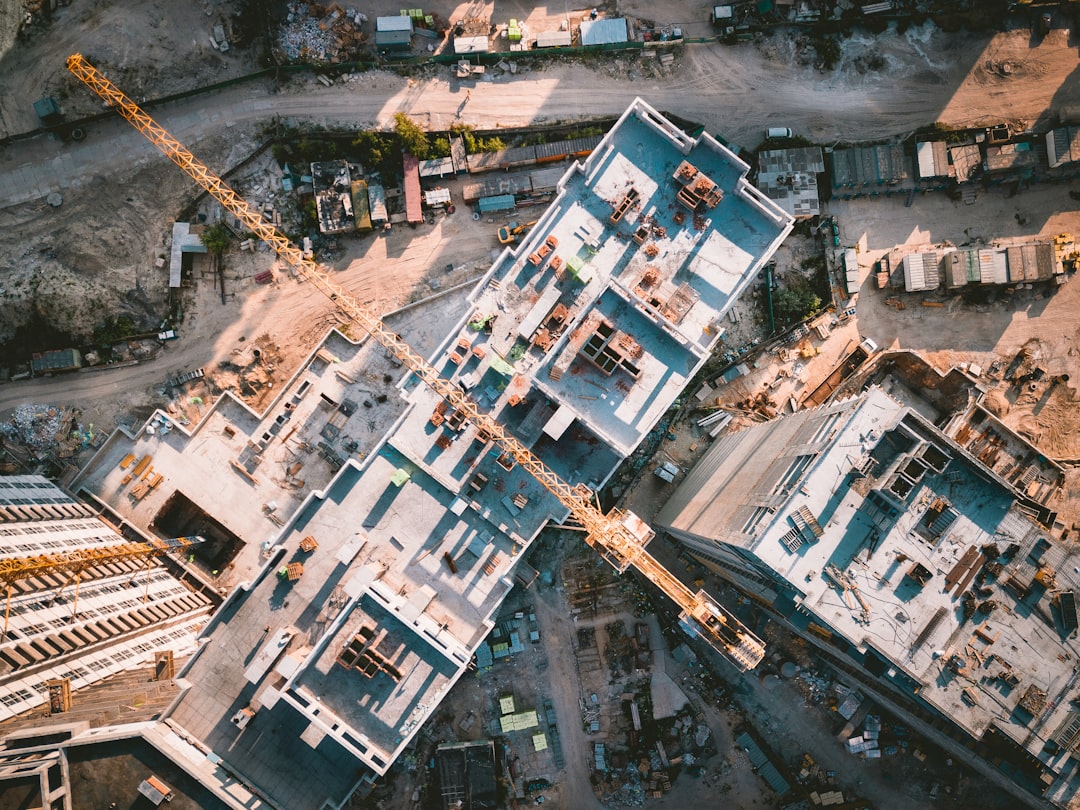
A notable trend is the rising demand for renovated or new properties. Investors are turning to renovation projects to capitalize on property value appreciation. As a result, there is a dynamic of urban transformation, particularly in large cities.
Technologies and Innovations
Digital technologies are also transforming the sector. The increasing use of online platforms for property management and the popularity of virtual tours are changing how transactions are conducted and managed, bringing greater efficiency and transparency.

Investment Opportunities
Where to Invest
Regions like Île-de-France and the Côte d'Azur remain safe bets for investment. However, cities like Lyon and Bordeaux are gaining popularity due to their attractive economic and cultural dynamics, generating significant growth potential.
How to Invest
Investors should assess potential profitability and renovation costs. Investing in properties requiring modernization but located in high-demand areas can offer a significant return on investment.
Practical Considerations
Financial Aspects
Cost assessment is crucial. Investors must consider notary fees, property taxes, and property management costs that can affect the overall profitability of the investment.
Legal Considerations
French legislation imposes strict rules regarding leases and renovations. Terminating a lease for renovation requires a clear understanding of legal obligations to avoid potential conflicts with tenants.
Regional Highlights
Paris and Its Suburbs
Paris remains a major attraction, but peripheral areas, benefiting from infrastructure projects, are also drawing investors seeking yield.

Dynamic Provinces
Regions like Brittany and Provence offer great prospects due to their attractive living environment and a growing demand for second homes.
Risks and Challenges
Market Volatility
Market fluctuations and regulatory changes pose significant risks. Staying informed about political and economic developments that could impact real estate is essential.
Operational Challenges
Property management, particularly in terms of maintenance and legal compliance, can be a challenge for international investors who often have to rely on local partners.
Expert Recommendations
Investment Advice
Experts recommend diversifying investments to minimize risks. Relying on local advice and in-depth market analysis ensures informed decisions.
Growth Strategies
Opting for long-term investments in developing areas can provide greater security and increased returns as infrastructure and local demand grow.
Conclusion
Real estate investment in France offers numerous opportunities but requires a well-defined strategy and a thorough understanding of market specifics. By developing an understanding of current trends and surrounding themselves with local experts, investors can not only secure their capital but also achieve significant gains in this dynamic market.