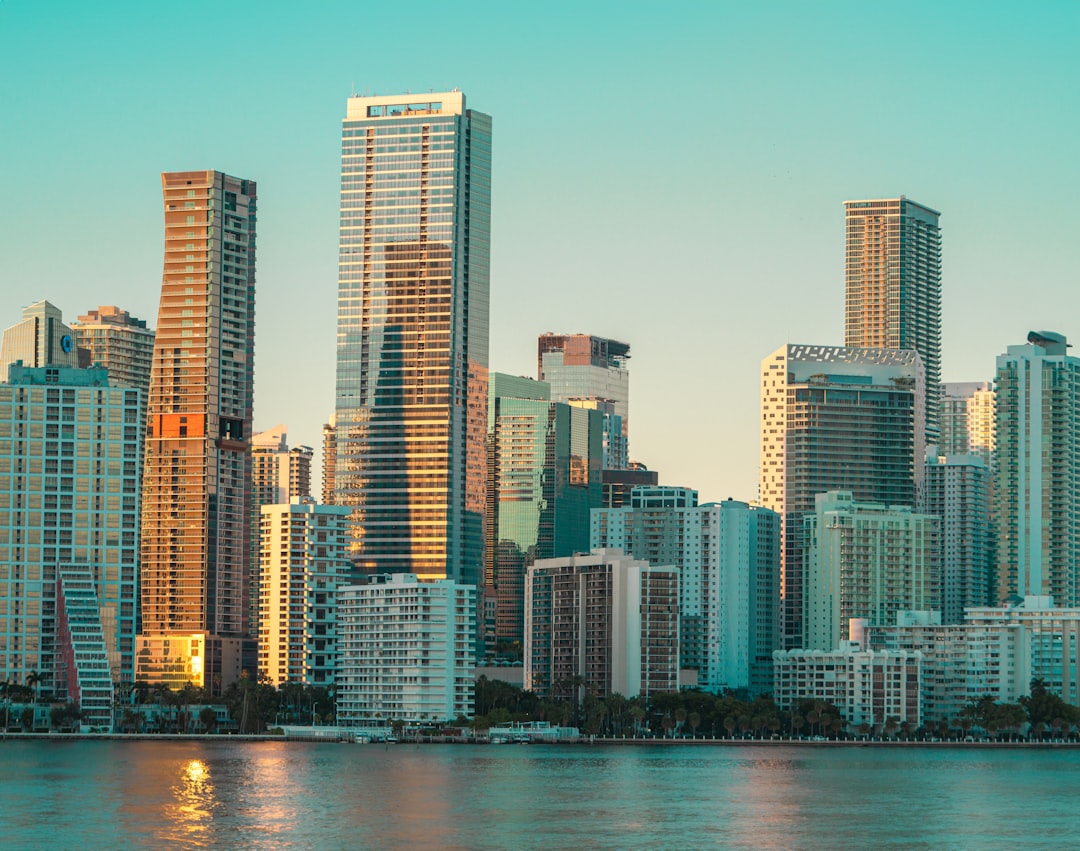
Investing in the German Real Estate Market: Strategies to Maximize Returns

Introduction to the German Real Estate Market
Attractiveness and Potential
The German real estate market has established itself as stable and attractive for international investors. With a robust legal framework and a strong economy, Germany offers investment opportunities across various segments, from residential properties to commercial real estate. Investors appreciate the relatively low financing costs and the security that the market provides.
Challenges for Investors
Despite its attractiveness, the German real estate market is not without challenges. Competition for high-quality properties is intense, particularly in metropolitan areas such as Berlin, Munich, and Hamburg. Additionally, the legal and tax aspects are complex and require careful planning and advice.
Market Overview
Current Status and Statistics
The German real estate market shows sustained growth despite global uncertainties. According to the latest data, property prices have consistently risen in recent years, with the residential market in major cities characterized by high demand. Average rental prices have also shown an upward trend, indicating a healthy and stable market.
Growth Factors
Various factors contribute to the growth of the German real estate market. These include a strong domestic economy, low unemployment, and increasing urbanization. Political stability and the availability of financing options also play a crucial role in the market's attractiveness.
Key Trends
Sustainability and Digitalization
A significant trend in the German real estate market is the increasing importance of sustainability and digitalization. Investors are increasingly focused on energy-efficient buildings and smart home technologies, which not only minimize environmental impact but can also enhance property values.
Demographic Developments
Demographic changes, particularly the rise in single-person households and the aging population, influence the demand for certain types of properties. Investors who recognize these trends can strategically invest in real estate that addresses these changes.

Investment Opportunities
Locations with Potential
Berlin, Munich, and Frankfurt are among the most sought-after locations for real estate investments in Germany. These cities not only offer economic growth but also a high quality of life that attracts investors. Additionally, smaller cities and rural areas also present interesting opportunities, particularly for investments in residential properties.
Types of Real Estate Investments
Investors can invest in various types of real estate, including residential properties, commercial real estate, and specialized properties such as student housing or senior living facilities. Each of these categories offers unique opportunities and risks that must be carefully weighed.
Practical Considerations
Financing Options
German financial institutions offer a variety of financing options for real estate investors. These range from traditional mortgage loans to innovative financing models such as crowdfunding. A thorough examination of the available options can provide access to more favorable interest rates and better terms.
Purchase Process and Costs
The purchase process in Germany is structured and involves several steps, such as appointing a notary and registering in the land registry. Additionally, investors must consider the costs associated with the purchase, including property transfer tax, notary fees, and brokerage commissions.
Regional Highlights
Berlin and Surroundings
Berlin remains a hotspot for international investors, thanks to its dynamic real estate market and diverse investment opportunities. The city attracts an international clientele and offers attractive return opportunities in both residential and commercial sectors.
Growing Markets
Beyond the major metropolises, cities like Leipzig, Dresden, and Stuttgart also offer interesting investment opportunities. These emerging regions benefit from an economic upturn and high demand for housing, making them particularly attractive to investors.

Risks and Challenges
Market Volatility and Price Bubbles
Like any real estate market, there is a risk of price bubbles and market volatility in Germany. Therefore, investors should pay attention to market signals and make informed decisions to minimize risks.
Regulatory Challenges
The regulatory landscape in Germany can be complex for foreign investors. Frequent changes in laws and regulations require continuous monitoring and adjustment of investment strategies.
Expert Recommendations
Long-Term Perspectives
Experts recommend approaching real estate investments in Germany with a long-term horizon. Careful selection of investments based on informed analyses and forecasts can help maximize long-term returns.
Networking and Consulting
A strong network of local experts and advisors can significantly influence the success of real estate investments. Investors should connect with experienced lawyers, tax advisors, and real estate agents to make informed decisions.
Conclusion
The German real estate market offers numerous opportunities for international investors that should be seized. With a solid understanding of market mechanisms, careful planning, and the right support, investors can maximize returns and secure long-term success. A proactive approach and the willingness to continuously stay informed about market changes are crucial for success in the German real estate market.