Strategic Investment Opportunities in the German Real Estate Market

Introduction to the German Real Estate Market
The German real estate market has proven to be extremely stable over the past few decades, offering a variety of investment opportunities for international investors. In an environment of low interest rates and a growing population, the demand for housing remains high, making investments in residential properties particularly attractive. Given the ongoing urbanization and the associated need for housing, many investors are focusing on subsidized housing as a sector with significant growth potential.
Market Overview
Current Market Status
The German real estate market is characterized by regional diversity. Major metropolitan areas such as Berlin, Munich, and Hamburg are experiencing a sustained demand boom, driving prices upward. However, there are also significant investment opportunities in less prominent regions. According to a study by the Federal Institute for Research on Building, Urban Affairs, and Spatial Development, average prices for residential properties in Germany rose by about 6.5% in 2022.
Key Statistics and Data
The homeownership rate in Germany is around 51%, which is relatively low in an international comparison. This situation creates a stable rental segment that is favorable for investments in rental properties. Additionally, building permits for residential units increased by 1.5% in 2022, indicating ongoing construction activity.
Key Trends
Sustainability and Environmental Impact
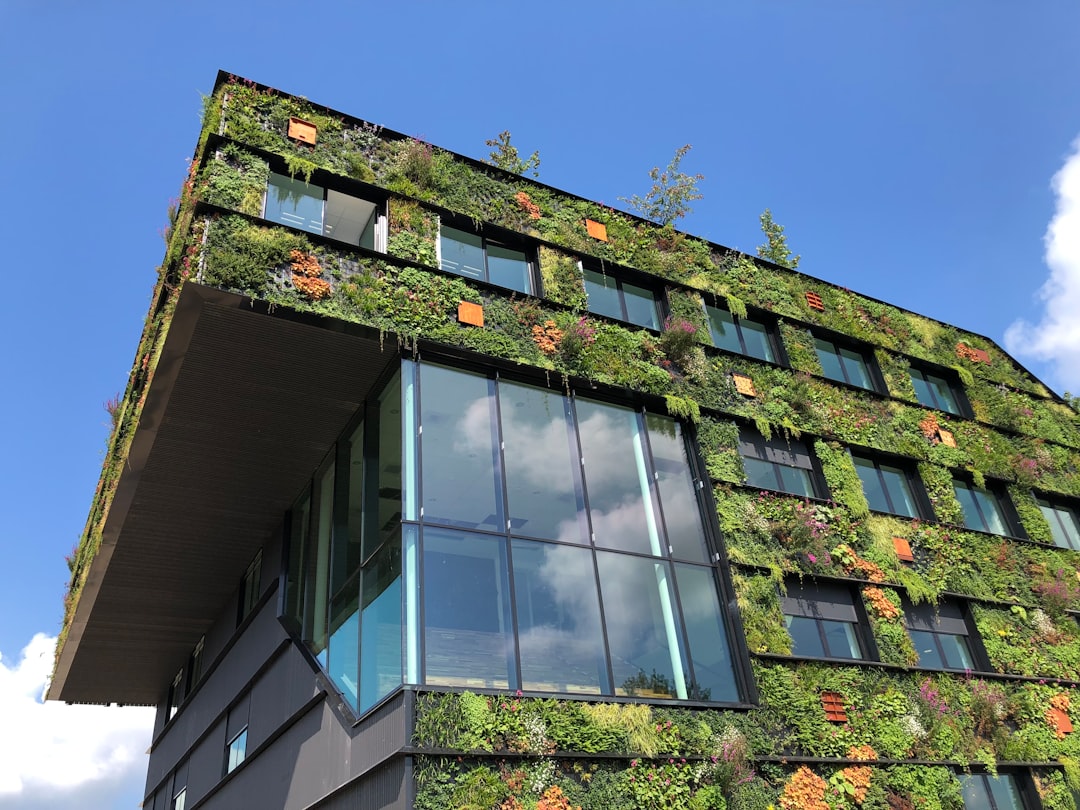
Sustainability is playing an increasingly important role in the German real estate market. Many investors are seeking "green" properties that offer both ecological benefits and financial incentives. Adhering to energy efficiency standards can not only reduce operating costs but also increase the value of a property.
Technological Innovations
Digitalization and technological advancements are significantly influencing the real estate market. Smart home technologies and innovative construction methods such as modular construction are increasingly being integrated into new projects to enhance comfort and reduce construction times.
Investment Opportunities
Subsidized Housing
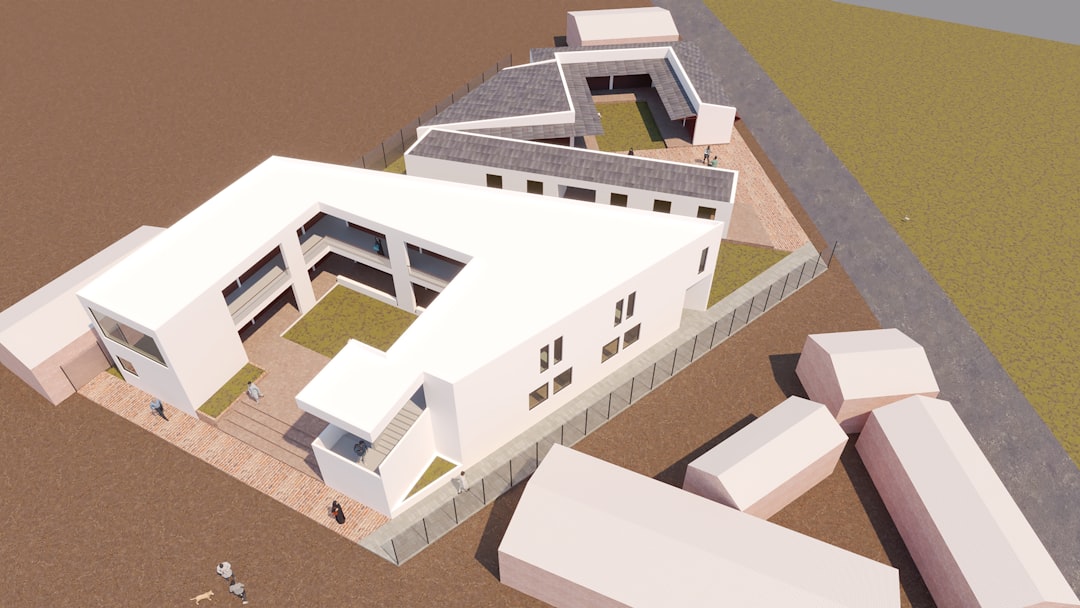
Subsidized housing in Germany offers numerous opportunities for investors. Due to government funding programs and tax incentives, this segment is both financially attractive and socially valuable. However, it requires careful planning and a deep understanding of local market conditions.
Commercial Real Estate
Commercial real estate, particularly in the logistics sector, has proven to be crisis-resistant and offers stable returns. The e-commerce boom has increased the demand for warehouse space, opening new opportunities for investors.
Practical Considerations
Financing Options
Financing real estate investments in Germany can occur through various channels. Institutional investors often rely on bank loans, while private investors can also utilize equity funds. It is advisable to carefully examine the different financing models to find the best strategy for the individual investment project.
Local Market Knowledge
A deep understanding of local market conditions is crucial for the success of an investment. Investors should familiarize themselves with the specific characteristics of the respective region to make informed decisions.
Regional Highlights
Germany offers a variety of regions with different investment opportunities. While metropolises like Berlin and Munich promise high prices but also stable growth, emerging cities like Leipzig and Dresden offer attractive returns at lower entry prices. These cities benefit from a growing population and a dynamic economy.
Risks and Challenges
Bureaucratic Hurdles
The real estate sector in Germany is heavily regulated, which can lead to bureaucratic challenges. Approval processes are often lengthy, and investors should be aware of local building codes and regulatory requirements.
Market Volatility
Although the German real estate market is relatively stable compared to other countries, there are still volatilities that investors need to consider. Economic downturns or political changes can impact market dynamics.
Expert Recommendations
Experts advise investors to focus on niche markets that are less saturated and offer higher growth opportunities. Subsidized housing and sustainable real estate projects are two areas that promise attractive returns in both the short and long term. A solid understanding of local market conditions as well as strategic partnerships can significantly influence the success of an investment.
Conclusion
The German real estate market offers diverse opportunities for investors, especially in the area of subsidized housing. Through a strategic approach and consideration of relevant market conditions, both economic and social benefits can be realized. Investors who are willing to engage with local conditions and pursue innovative approaches can benefit from stable and future-oriented investment opportunities.